
TELECONFERENCE SYSTEM
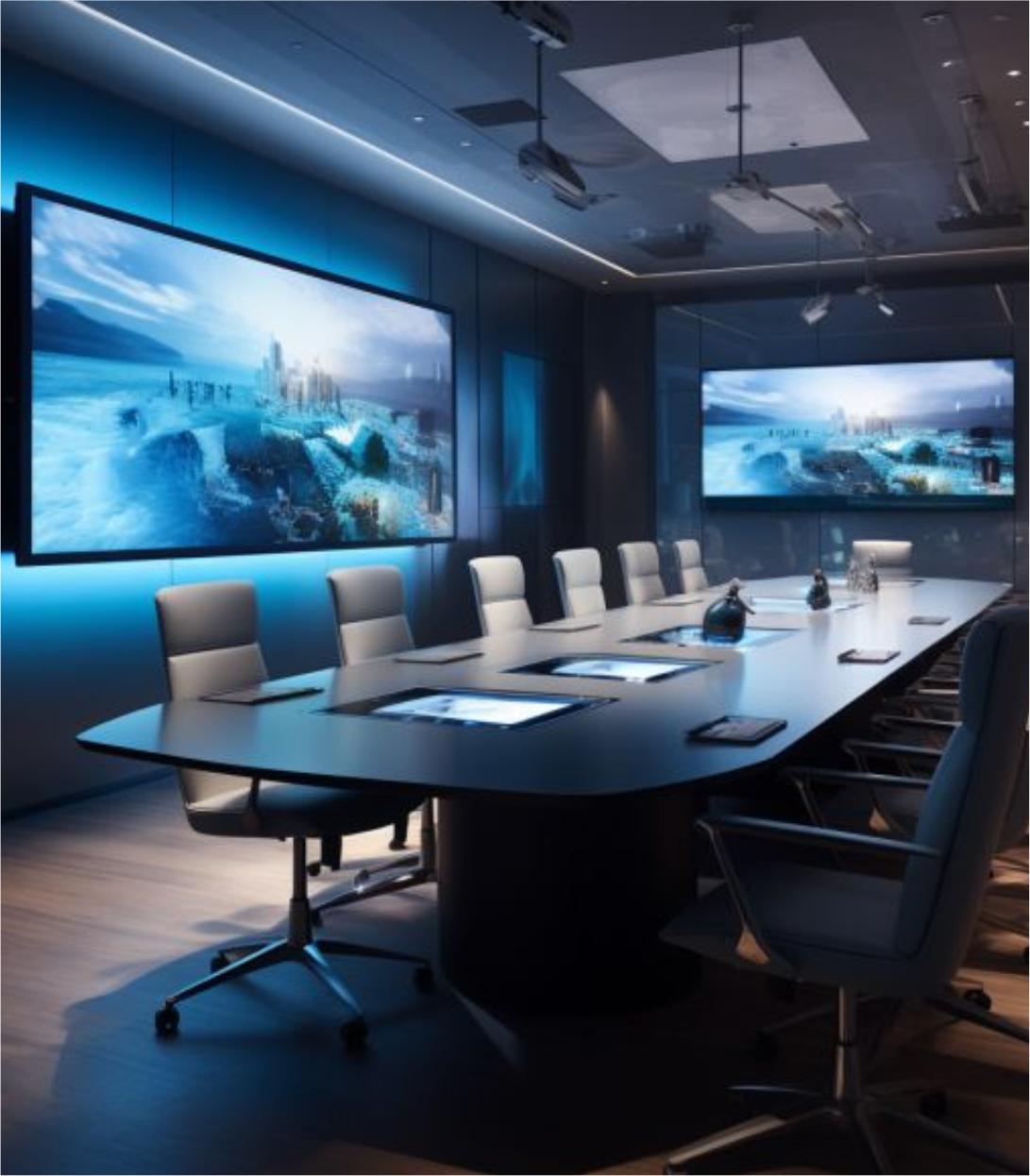
A Teleconference System is an integrated audio and video communication solution that enables individuals and teams in different locations to communicate and collaborate in real time. It combines high-definition video, crystal-clear audio, content sharing, and network connectivity to facilitate virtual meetings, presentations, training sessions, and remote collaboration. Modern Teleconference Systems support cloud-based platforms, artificial intelligence (AI) features, and seamless integration with enterprise communication tools to improve productivity and decision-making across organizations.
Key Components
A standard Teleconference System consists of four main parts:
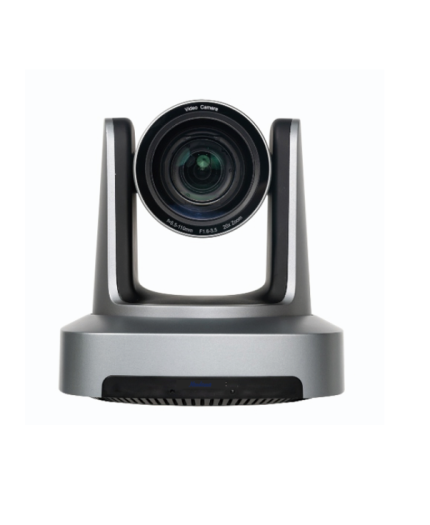
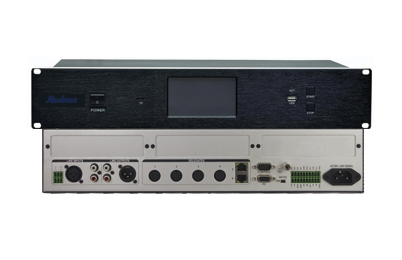
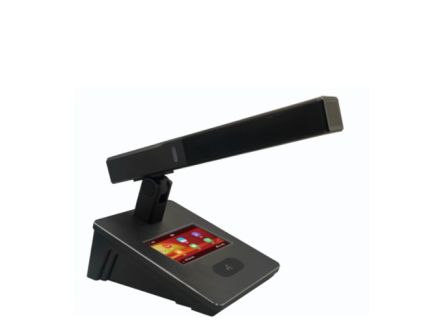
Audio & Video Devices: Equipment such as HD or 4K cameras, microphones, speakers, speakerphones, and audio processors that capture and reproduce high-quality video and sound during meetings.
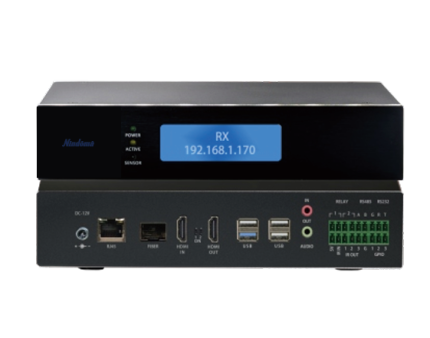
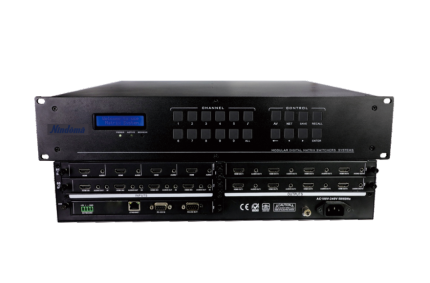
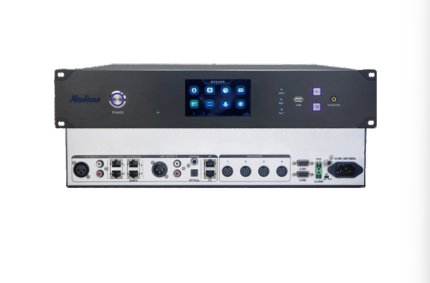
Codec & Conference Controller: The central processing unit that compresses, transmits, and manages audio and video streams while controlling conference functions, device synchronization, and communication protocols.
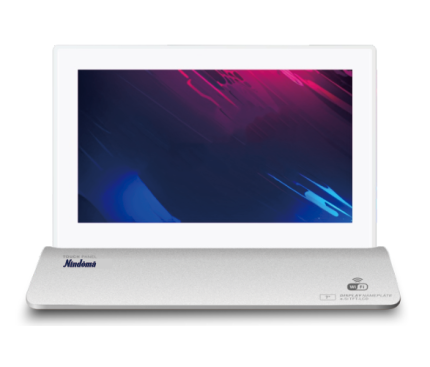
Display & Collaboration Devices: Monitors, interactive displays, projectors, and wireless presentation systems that enable participants to view meeting content, presentations, documents, and shared screens.
Network & Conference Software: The communication infrastructure and software platform that connects participants through LAN, WAN, or the Internet, supporting meeting scheduling, participant management, content sharing, recording, and remote collaboration.
Primary Functions
Real-Time Audio and Video Communication: Provides high-quality voice and video conferencing, enabling seamless communication between participants regardless of their physical location.
Content Sharing and Collaboration: Allows users to share presentations, documents, applications, and screens while supporting interactive collaboration through annotation, whiteboarding, and file sharing.
Meeting Management: Enables meeting scheduling, participant invitations, recording, moderation, chat, virtual backgrounds, and AI-powered features such as automatic transcription and meeting summaries.
Remote Accessibility: Supports secure access from desktops, laptops, smartphones, tablets, and dedicated conference room systems, allowing participants to join meetings from virtually anywhere.
Types of Systems
Standalone Teleconference System: Uses dedicated conference room hardware operating independently for local or point-to-point meetings, making it suitable for small meeting rooms and executive offices.
Networked Teleconference System: Connects multiple conference rooms and users through an organization’s network, allowing centralized management and collaboration across campuses or multiple office locations.
Cloud-Based Teleconference System: Utilizes cloud-hosted conferencing platforms to provide scalable video meetings, remote management, automatic software updates, recording, AI-powered collaboration features, and secure access from any location with an Internet connection.