



ACCESS CONTROL SYSTEM
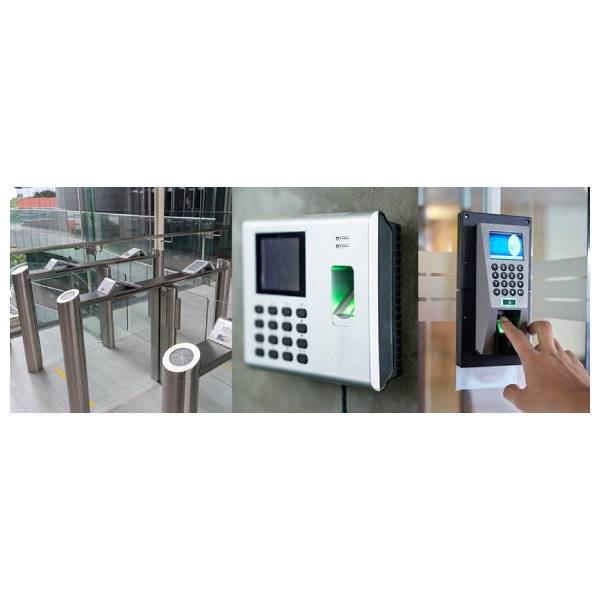
An Access Control System (ACS) is a security solution that regulates, monitors, and records entry into physical buildings, specific rooms, or digital networks. It replaces traditional physical keys with digital credentials—such as RFID cards, PINs, or biometrics—to ensure only authorized personnel gain access.
Key Components
A standard physical ACS consists of four main parts:
- Credentials: The user’s identification proof (e.g., smart card, mobile app, fingerprint, or facial scan).
- Readers: The hardware installed near the entry point that captures the credential’s data.
- Controller: The “brain” of the system that verifies if the presented credential has the required permissions.
- Door Hardware: The actual locking mechanisms—such as magnetic locks or electric strikes—that release the door when commanded by the controller.
Primary Functions
- Enhanced Security: Protects sensitive areas like server rooms, laboratories, and executive offices.
- Audit Trails: Tracks every entry and failed attempt, logging exactly who entered, where, and when.
- Centralized Management: Allows administrators to easily grant, restrict, or revoke access remotely without needing to change physical locks.
Types of Systems
- Standalone: Operates on single doors with all data programmed directly on the unit.
- Networked: Uses central software to manage multiple doors and monitor large facilities across an entire organization.
- Cloud-Based: Stores access permissions securely online, allowing administrators to manage building security from anywhere in real time.